Last Updated:
Ozempic can also cause kidney strain due to dehydration, gallbladder issues, and, in rare cases, pancreatitis, particularly if doses are increased too rapidly.

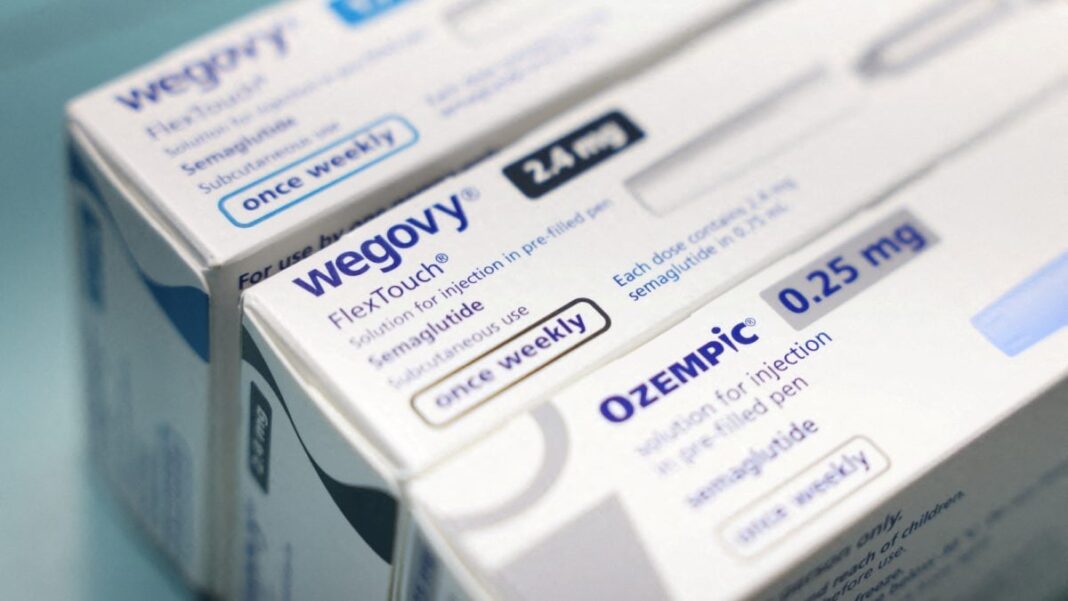
Boxes of Ozempic and Wegovy made by Novo Nordisk are seen at a pharmacy in London. (REUTERS/File Photo)
Ozempic’s arrival in India marks a major shift in the country’s diabetes and weight-management landscape. The drug has been the centre of global headlines, from celebrity transformations to debates around ethical use, yet the conversation often glosses over something far more important: understanding how this medication behaves in the body. Now available locally at a significantly reduced India-tiered price, Ozempic will likely see widespread interest. But before the enthusiasm sets in, it’s time to look closely at its side effects profile.
Understanding Why Ozempic Triggers Side Effects
Ozempic (semaglutide) belongs to the GLP-1 agonist class, a group of drugs that alter how the body regulates blood sugar, appetite and digestion. Because it slows gastric emptying and influences hunger cues, the initial weeks often come with noticeable gastrointestinal shifts.
The most common side effects include:
- nausea
- vomiting
- constipation
- diarrhoea
- abdominal pain
- reduced appetite
- fatigue
These tend to appear early, especially as the dose escalates from 0.25 mg upwards. For many, symptoms settle as the body adjusts. But for others, particularly those with existing gut issues, the discomfort can last longer.
The More Serious, Less Discussed Risks Of Ozempic
While rare, Ozempic can precipitate serious complications, especially when used without proper medical supervision. These include:
- pancreatitis, sometimes signalled by severe upper-abdominal pain
- kidney injury, often triggered by dehydration from vomiting
- gallbladder issues, including gallstones
- severe allergic reactions
These risks are why doctors emphasise slow dose titration and routine monitoring. The drug’s popularity for off-label weight loss should not eclipse the fact that it is a prescription therapy designed primarily for diabetes management.
What The India Launch Means For Consumers
Ozempic is now entering Indian pharmacies with pricing that deliberately undercuts global norms – Rs 2,200 per week. A single multi-dose pen with four weekly injections is priced at ₹8,800, with higher strengths (0.25 mg, 0.5 mg and 1 mg) going up to ₹11,175. As distribution picks up nationwide, the drug is set to become one of the most accessible GLP-1 options in India, especially since rivals like Wegovy and Mounjaro fall into a higher price bracket. But affordability also means more people are likely to experiment with the drug without fully understanding its impact – and this is where caution becomes critical.
Ozempic’s launch brings convenience and affordability, but also a heightened responsibility to use it correctly. Anyone considering it for diabetes or weight management should approach it with medical guidance, realistic expectations and an understanding of its side effects. The drug can be transformative, but only when paired with careful monitoring, lifestyle changes and clinical oversight.
 Click here to add News18 as your preferred news source on Google.
 Delhi, India, India
December 12, 2025, 18:42 IST